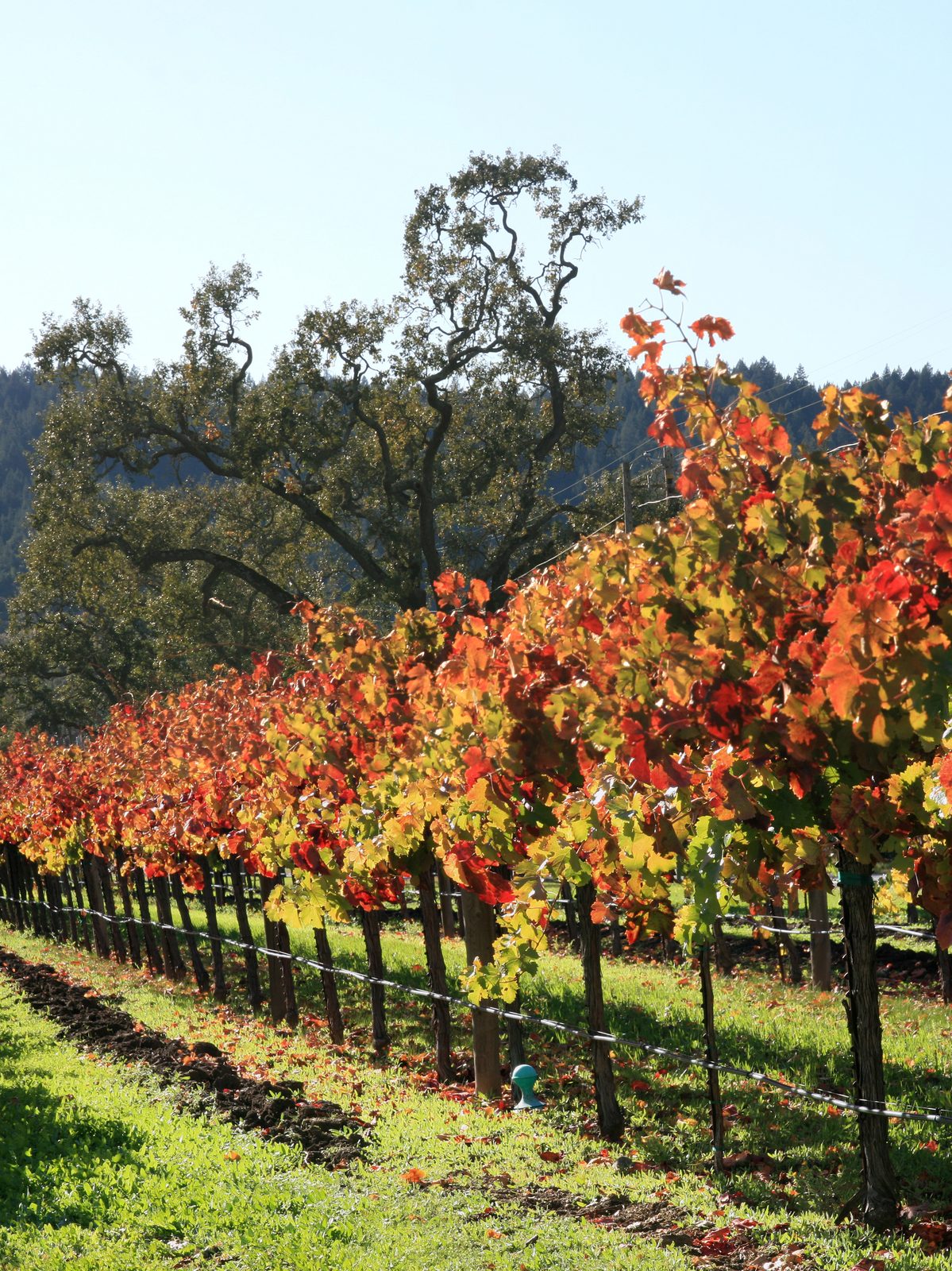
Napa importer Quintessential takes on Montes and Kaiken for the United States
Two of South America's best known family wineries, Montes in Chile and Kaiken in Argentina, will reach American shelves through Napa. Quintessential starts with Montes on November 1, and Kaiken joins it on January 1, 2027.
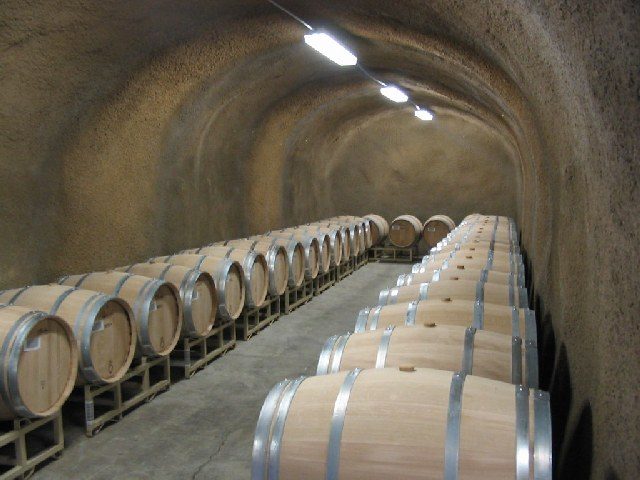
NAPA: Quintessential, a family-owned wine company headquartered in Napa, said on Tuesday, October 20, that it has won the exclusive right to import, distribute and market two South American wineries in the United States: Montes, from Chile, and Kaiken, from Argentina. The work starts soonest for Montes, on November 1, 2026. Kaiken changes hands later, on January 1, 2027.
"Montes and Kaiken are exactly the kind of partners we look for at Quintessential," said Dennis Kreps, co-owner of Quintessential. "They have extraordinary wines, a pioneering spirit and a long-term vision for their wineries and vineyards. We're excited to bring the strength of our organization behind these brands and build on their success in the U.S."
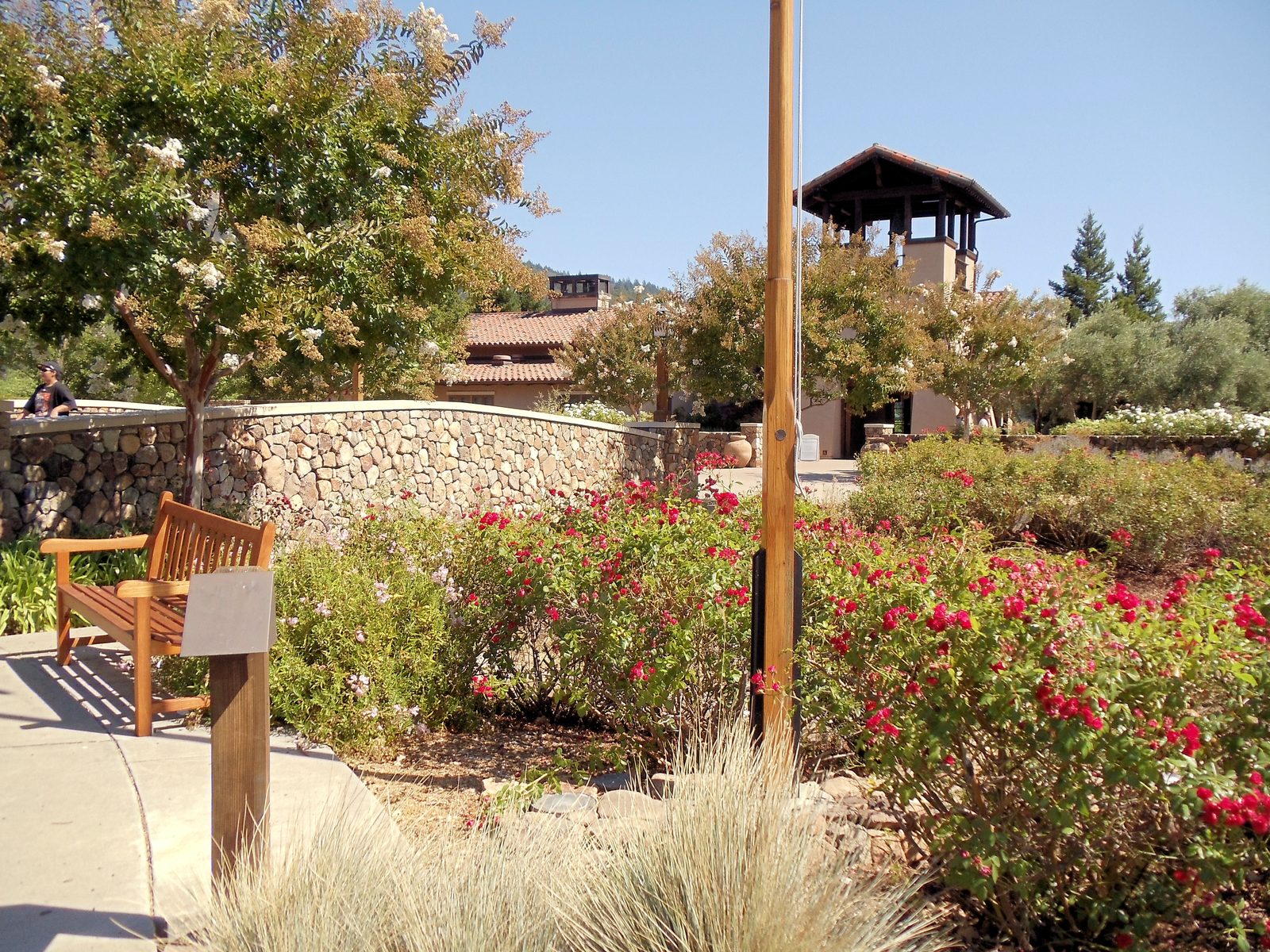
Montes brings the Apalta estate and a pioneering record
Aurelio Montes and Douglas Murray started Montes in 1988, and the winery is credited with helping to lift the standing of Chilean wine around the world. Two early moves still define it: the launch of Montes Alpha, and the building of a home estate at Apalta, in the Colchagua Valley. The bottles American buyers are likeliest to know by name are Montes Alpha M, Montes Folly, Purple Angel and Taita. The founder's son, Aurelio Montes Jr., now runs the cellar as chief winemaker, working beside his father, whose career brought him a Lifetime Achievement Award from the International Wine Challenge. Beyond Colchagua, the winery farms ground along the Pacific coast and as far south as the island of Chiloé.
"The United States has always been an important market for our wines, and choosing the right partner is essential to our continued growth," said Aurelio Montes Sr. "In Quintessential, we see a team that understands our ambitions for both Montes and Kaiken and shares our belief in building lasting relationships."
Kaiken crosses the Andes on a goose's name
Kaiken began in Mendoza in 2002, when the Montes family's curiosity about the far side of the Andes turned into a winery of its own. The name comes from the caiquén, a wild goose whose migrations carry it back and forth between Chile and Argentina. Malbec sits at the center of what Kaiken makes, from vineyards in two Mendoza districts, Luján de Cuyo and the Uco Valley. The range runs from Kaiken Ultra and Boulder up to Mai, its flagship Malbec. Day to day the winery is run by Gustavo Hörmann, who serves as both general manager and chief winemaker, and its list stretches from easy-drinking bottles to small-lot wines at the top end.
The two wineries also arrive with matching credentials on the business side. Each holds Certified B Corporation status, a reflection, the announcement said, of work on renewable energy, saving water, farming regeneratively and protecting biodiversity. In Montes' case the stated priorities are careful water and energy use alongside biodiversity and regenerative methods; at Kaiken the emphasis falls on regenerative agriculture, biodiversity and looking after the land.
What Napa gains from the deal
For Quintessential, the prize is depth in South America. The newcomers take their place on a roster that already handles Pascual Toso and Bodegas Bianchi from Argentina, and Seña, Viñedo Chadwick and Matetic Vineyards from Chile, a bench the company says makes it a first stop for American buyers shopping the region. That Seña connection is on display on the company's homepage, where the featured ratings lead with the 2022 Seña and a score of 98 points from James Suckling, published in February 2024. Quintessential works only with family-owned producers: more than 55 wineries, plus two distilleries, spread over 12 countries, all marketed, imported and distributed from Napa. It is a useful reminder of how the North Bay wine economy earns its money. The valley's own vineyards get the attention, but a slice of the trade is the import desk, and from November one of its desks will speak for two of South America's most decorated family names.
None to date. The Tribune corrects errors promptly and transparently. Read our corrections policy.