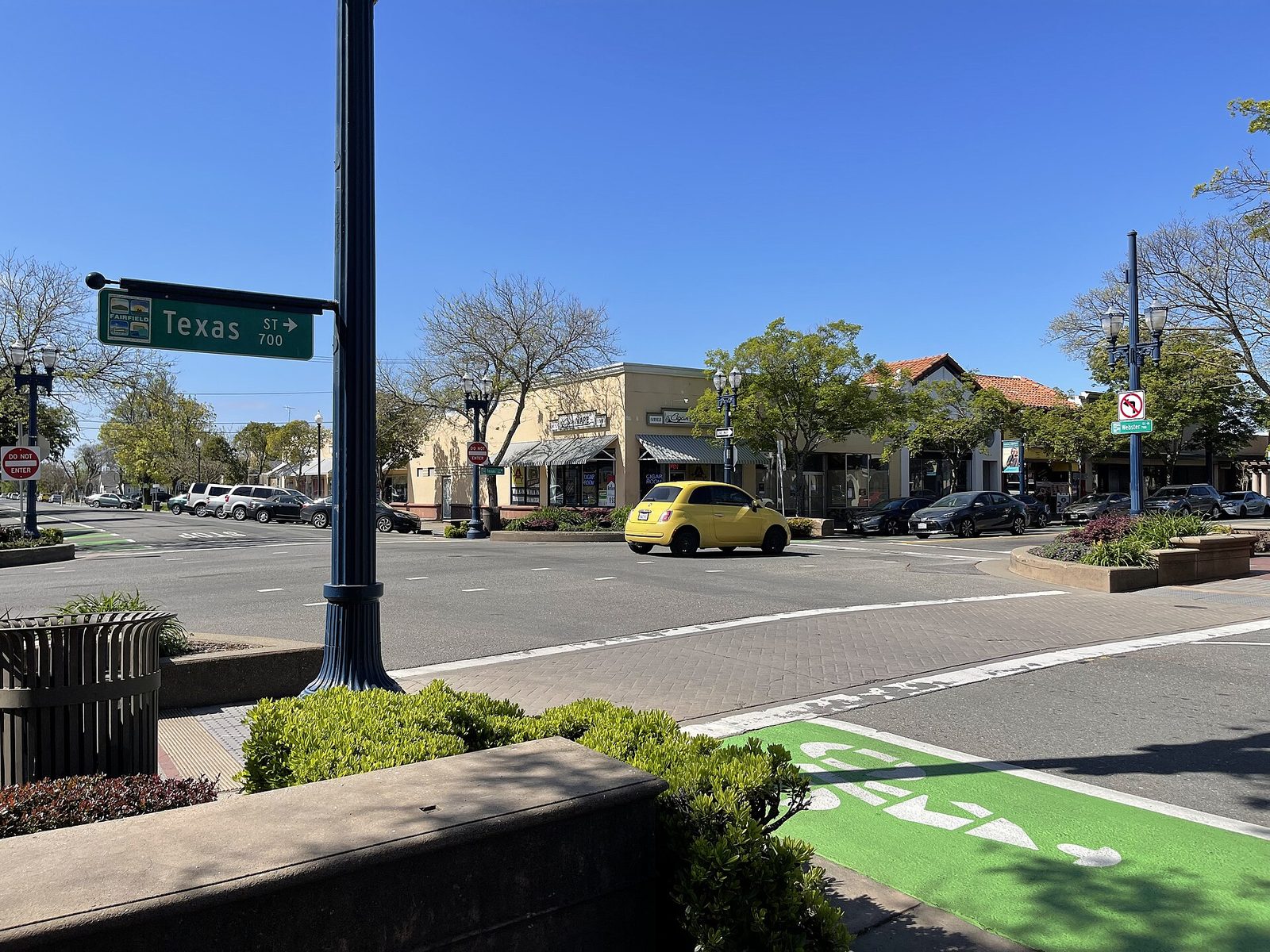
The four counties, explained
Marin, Sonoma, Napa and Solano: how each county is governed, where its government sits, and how to follow the meetings that shape the North Bay.

The North Bay is four counties sharing a bay: Marin, Sonoma, Napa and Solano. Each is a separate government with its own elected board of supervisors, its own county seat, and its own way of publishing the public's business. California is divided into 58 counties, and these four are the North Bay. Here is the basic orientation: who governs what, where, and how to watch.
Every county is run by a board of supervisors, an elected body that sets the county budget, adopts ordinances, and oversees county departments. The board also governs the unincorporated areas directly: outside city limits, the county is the municipal government, providing law enforcement, planning, roads and parks. Inside city limits, the city handles those services instead. So the first question in any local dispute is always geographic: city or county?
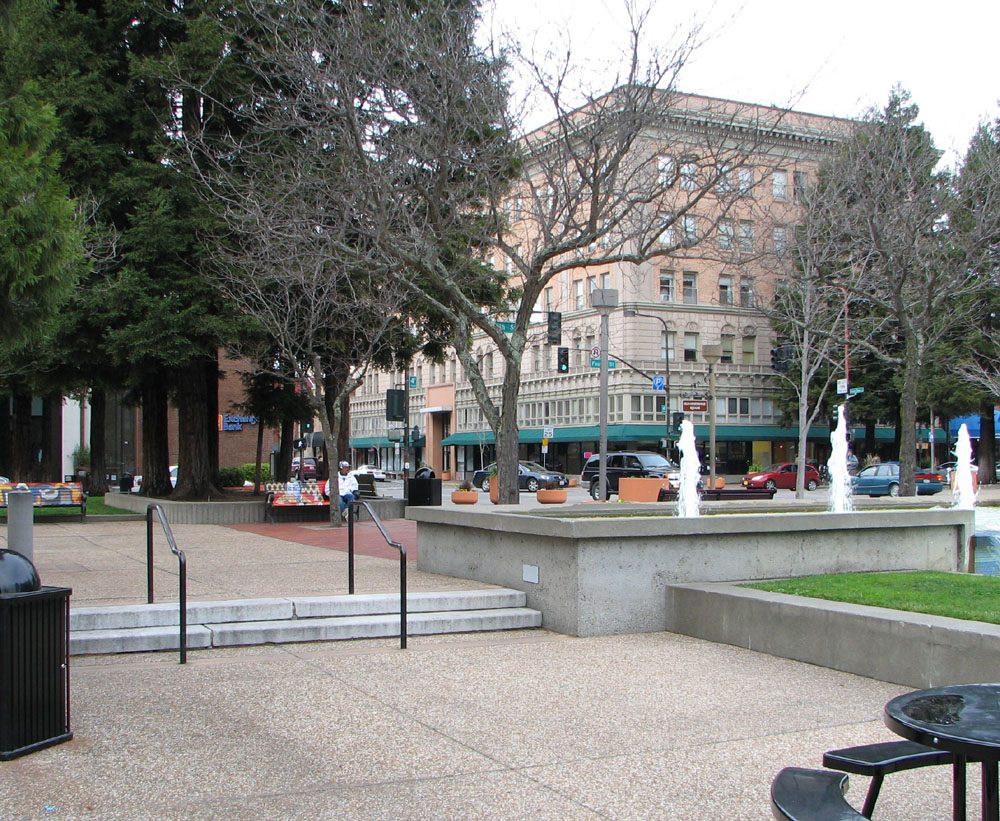
Marin County
Marin County government sits in San Rafael, in the Frank Lloyd Wright-designed Civic Center that is the county's architectural signature. The Marin County Board of Supervisors meets in public session, and agendas and participation information are posted on the county website. Marin pairs dense bay-front towns with ranchland and coastline, and the board's agenda is where those two Marins collide: housing targets, the Point Reyes shoreline, and the county's fire prevention funding.
Sonoma County
Sonoma County government is based in Santa Rosa, the county seat and the North Bay's largest city. The Sonoma County Board of Supervisors has five members, each elected from one of five districts. The county publishes its board calendar and agenda materials through its agenda system. Sonoma's board contends with the region's biggest water system, the fastest-consolidating fire districts, and the aftershocks of the 2017 and 2019 fire sieges.
Napa County
The Napa County Board of Supervisors adopts an annual calendar of regular meetings, published through the county's agenda system. Napa is the county seat. The board governs the unincorporated valley floor and the wine economy that depends on it: land use, winery rules, groundwater, and the wildfire funding question the county has been working through for years.
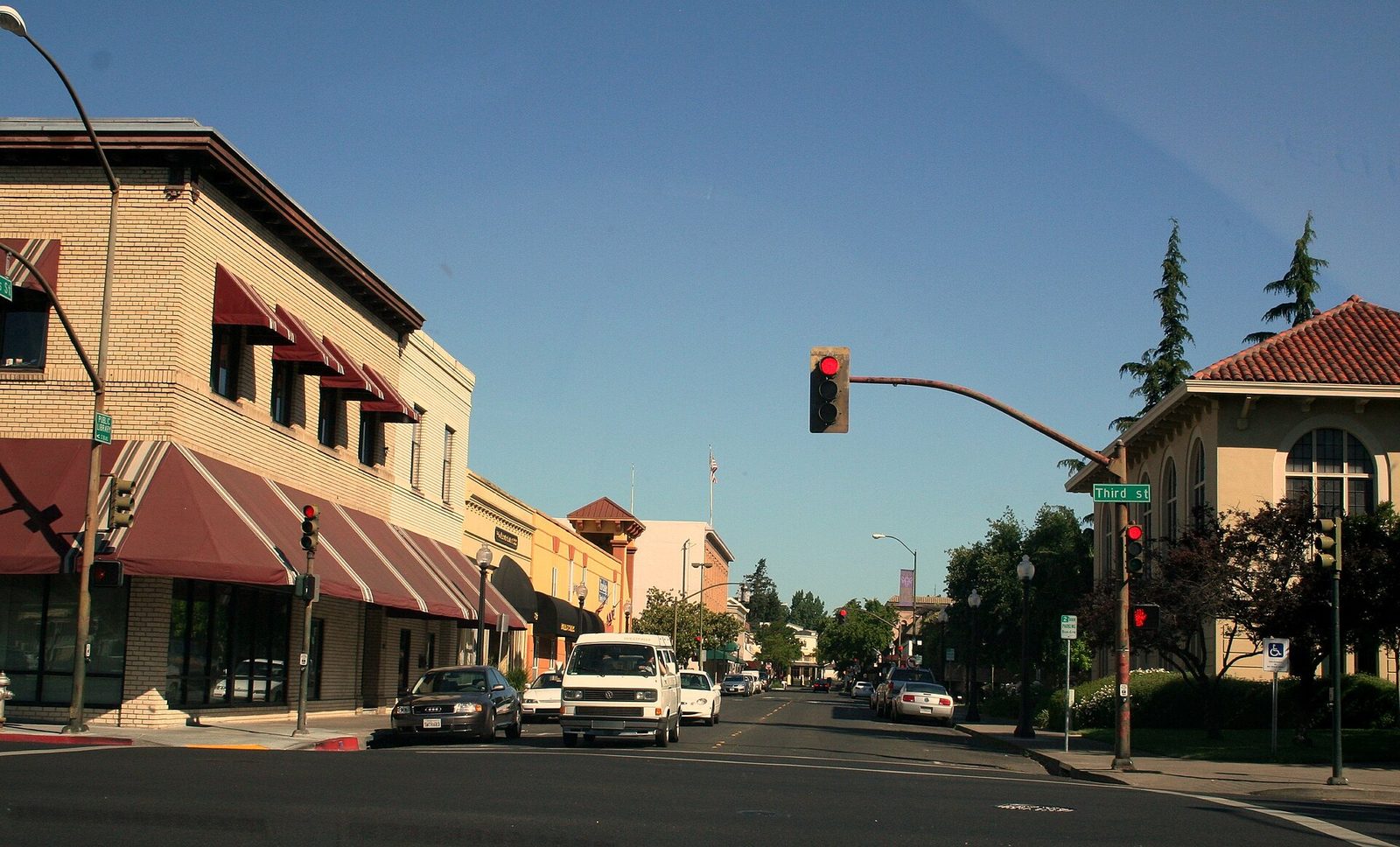
Solano County
Solano County government sits in Fairfield, the county seat. The Solano County Board of Supervisors publishes its agendas, minutes and videos on the county website, which makes following county government from home straightforward. Solano is the North Bay's eastern county: Vallejo on the water, Fairfield in the middle, and the small towns of the interior, all wrestling with the region's growth pressures from the other side of the bay.
One rulebook: the Brown Act
All four boards run under California's Brown Act, the open-meetings law. Agendas for regular meetings must be posted at least 72 hours in advance, and agendas for special meetings require at least 24 hours notice. Public comment is built into the process. The agenda packet, with staff reports and draft motions, is the single most useful document in county government: read it the night before the meeting, and you will understand the vote better than most of the room.
Start with one meeting in your own county. Watch how the board handles the routine consent items versus the contested ones, and note which departments bring the most business. Within three meetings you will know exactly where to show up when something you care about is on the agenda.