Supervisors take public comment Tuesday on $160 million in bonds for Golden Gate Village Phase 2
A federal tax law hearing on Tuesday, October 20, is the public's chance to weigh in on up to $160 million in tax-exempt bonds for the next phase of the Marin City revitalization: improvements to 208 homes, while the 88-home first phase is already under way.
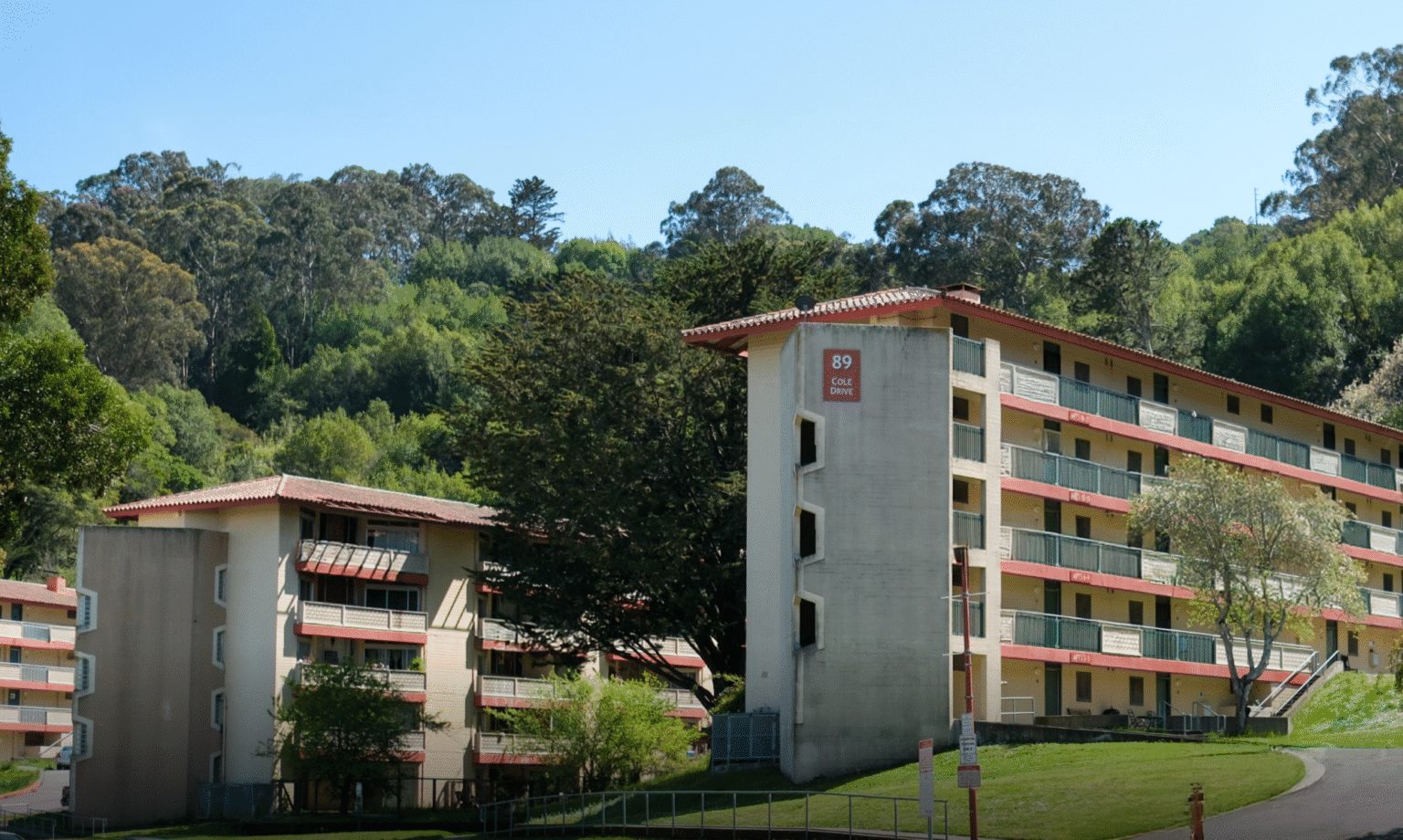
MARIN CITY: The Marin County Board of Supervisors will hold a public hearing on Tuesday, October 20, on a proposal to issue up to $160 million in tax-exempt bonds for Phase 2 of the Golden Gate Village revitalization, the county announced. The hearing is set for the Board chamber at the Marin County Civic Center, Suite 330, 3501 Civic Center Drive in San Rafael, with broadcast on Comcast Channel 27 and AT&T U-verse Channel 99 and streaming online.
The bonds would be issued by the California Municipal Finance Authority, not by the county, and they would support work on 208 of the community's homes. According to the county, Phase 2 covers updated kitchens and bathrooms, safety and accessibility features, energy-efficiency upgrades, and improvements to building systems and shared and outdoor spaces.

Golden Gate Village stands at 105 Drake Avenue in Marin City. The county describes it as 296 homes in eight high-rise and 20 low-rise buildings on about 30 acres, home to more than 700 residents. The revitalization is meant to preserve its affordability and historic character while addressing aging infrastructure and building conditions.
Phase 1 is already under way
The hearing arrives while the first phase is in motion. Phase 1 covers 88 homes, and the county says construction and temporary resident relocation for that phase are proceeding under the project's phased plan. In a separate announcement on August 31, the Marin Housing Authority and Burbank Housing said the financing for Phase 1 had closed on August 19, securing a planned $97.6 million renovation of those first 88 homes. The county says the U.S. Department of Housing and Urban Development approved the environmental review ahead of the phase.
Golden Gate Village was completed in 1961, designed by Aaron Green, a protege of Frank Lloyd Wright, and built for Marin City's predominantly African American community, many of whose families came to the area during World War II to work in the Marinship shipyard in Sausalito, according to the housing authority and Burbank Housing. It was listed on the National Register of Historic Places in 2017. Nothing will be demolished and no new buildings added; the existing homes will be upgraded instead, and residents who relocate temporarily keep the right to return.

What the hearing decides, and what it does not
Federal law requires the hearing: the Tax Equity and Fiscal Responsibility Act, known as TEFRA, makes a public hearing a step in issuing tax-exempt bonds. It is the public's chance to comment on the proposed financing before the governmental approval behind it is considered. The county will not issue the bonds or take on repayment; under its announcement, repayment stays with the designated project borrower under the final bond and project financing agreements.
Supervisor Stephanie Moulton Peters said in the county's announcement, "I am excited that this long-awaited revitalization has begun." She said the work reinforces a commitment to prevent displacement of current residents and to preserve the fully affordable housing in Marin City at one of the county's historic sites.
For residents, the county lists protections that run with the project. Eligible residents will keep the right to return after a temporary relocation, with relocation assistance under the approved plan, including temporary housing assistance. The housing authority and Burbank Housing say residents who relocate will be supported through the work and able to move back once their homes are ready. After the project's conversion, residents will keep paying 30 percent of income toward rent and utilities, and the housing is intended for households earning 30 to 80 percent of the area median income. The housing authority will also keep coordinating resident services during the work, including relocation help, job training and supportive services, according to the county.
Dr. Tonia Lediju, CEO and executive director of the Marin Housing Authority, said in the announcement, "Golden Gate Village is more than 296 affordable homes." She described a community shaped by generations of families, and said the authority's job is to preserve its character and affordability while strengthening the safety, quality and stability of the homes. Tuesday's hearing is where the public can put its own view of the Phase 2 financing on the record.

None to date. The Tribune corrects errors promptly and transparently. Read our corrections policy.
