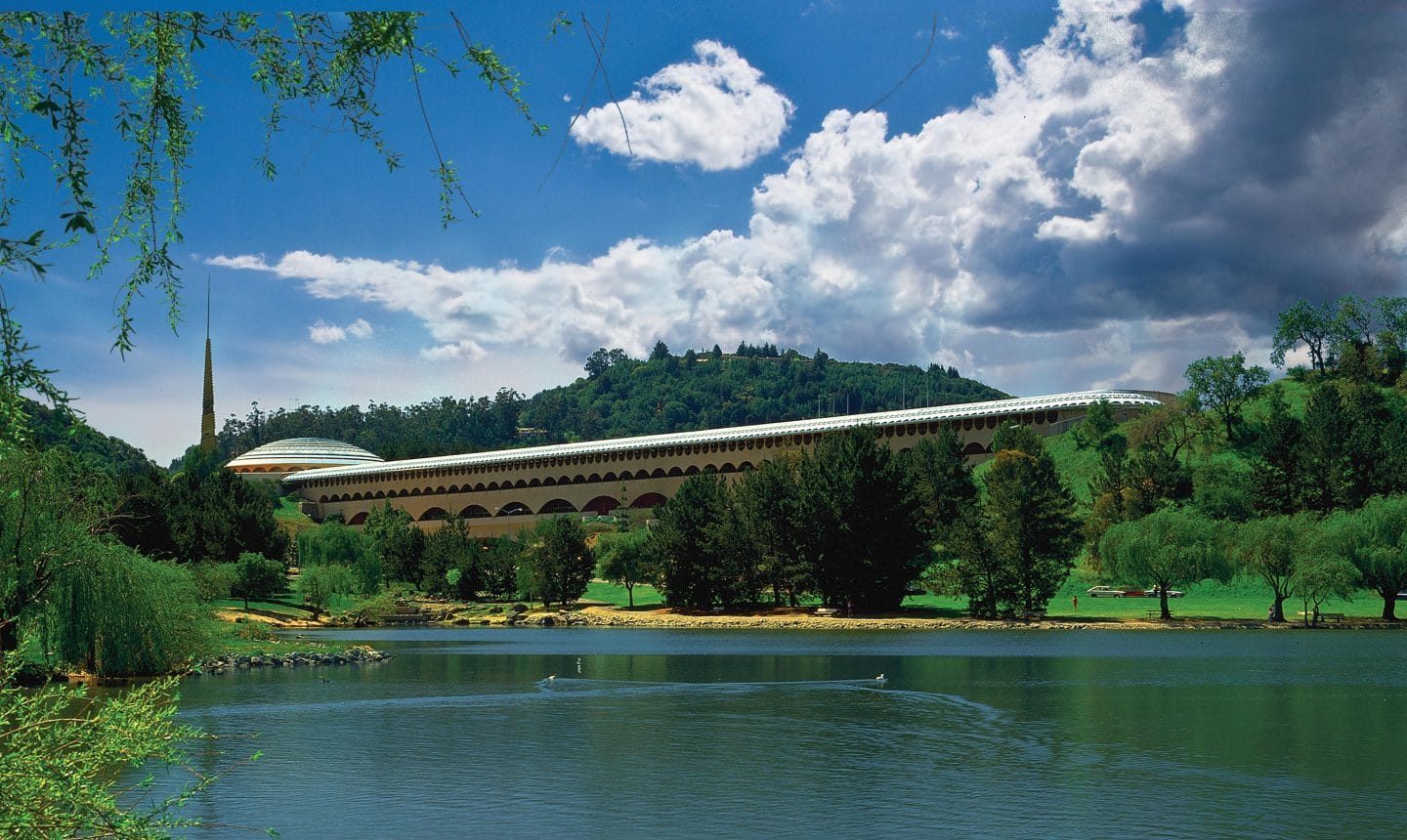
San Rafael asks voters to quintuple the real-estate transfer tax
The November 3 measure would raise the rate from 0.2% to 1.0%, generating an estimated $6 million a year for city services. It needs a simple majority.

SAN RAFAEL: San Rafael voters will decide November 3 whether to raise the city's real property transfer tax from 0.2% to 1.0%, a fivefold increase staff estimate would generate about $6 million in new annual revenue, bringing total transfer-tax receipts to roughly $7.5 million.
The council placed the measure on the November 3 ballot at its July 20 meeting, where it appeared as agenda item 3.a with a staff recommendation to adopt the calling resolution.
The measure, titled the San Rafael Essential Services Protection Measure, includes annual audits, public spending disclosure, and oversight by the city's Voter Approved Tax Oversight Committee. As a general tax, it requires a simple majority to pass.
Transfer taxes are paid when property changes hands, which makes them the most cyclical revenue in a city's budget: they surge in hot markets and vanish in cold ones. The staff report notes that San Rafael's current 0.2% rate is among the lowest in the region, and that the proposed 1.0% would place the city in the midrange, well below the charter cities charging 1.5% to 3.0% or more.
The $6 million estimate matters because of what it would backfill. Like its North Bay neighbors, San Rafael faces the familiar municipal squeeze: rising pension and labor costs, deferred street and facility maintenance, and a state budget picture that has made Sacramento backfills unreliable. The council's staff report presents the measure as revenue enhancement, not tied to any single program.
The politics of taxing sales, not owners
Transfer taxes have a political advantage over parcel or sales taxes: they are paid by sellers at the moment of a transaction, which means most voters will never pay one. The political risk runs the other direction: real-estate interests argue that higher transfer taxes get capitalized into prices and chill transactions, particularly for commercial property and multi-unit housing.
The measure lands on a crowded November ballot. Santa Rosa is asking voters to double its sales tax to a full cent, American Canyon is asking for a one-percent general sales tax, and the five-county Connect Bay Area transit measure, which excludes the North Bay, will dominate regional attention. San Rafael's ask is smaller than its neighbors', and it is aimed at a narrower base: people selling property in San Rafael.
If it passes, the new rate takes effect on transfers after the first of the year. If it fails, the council returns to the same budget math that put it on the ballot, with one fewer option on the table.
None to date. The Tribune corrects errors promptly and transparently. Read our corrections policy.