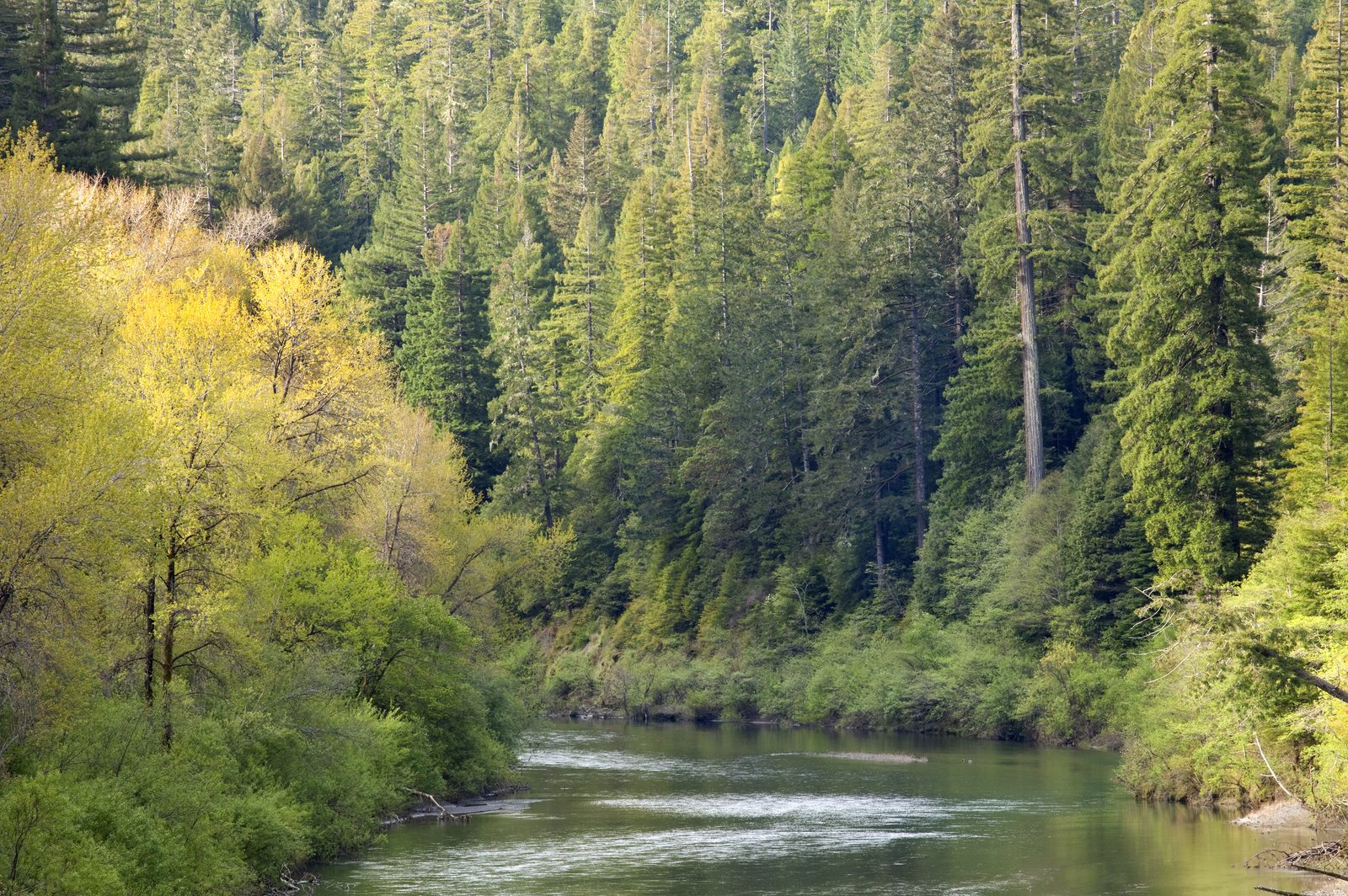
Point Reyes after the ranches: restoration begins on the land the cattle left
With the deal to end commercial ranching in the national seashore behind it, 2026 has become the year of transition: restoration planning, grazing's end, and open questions about workers and access.
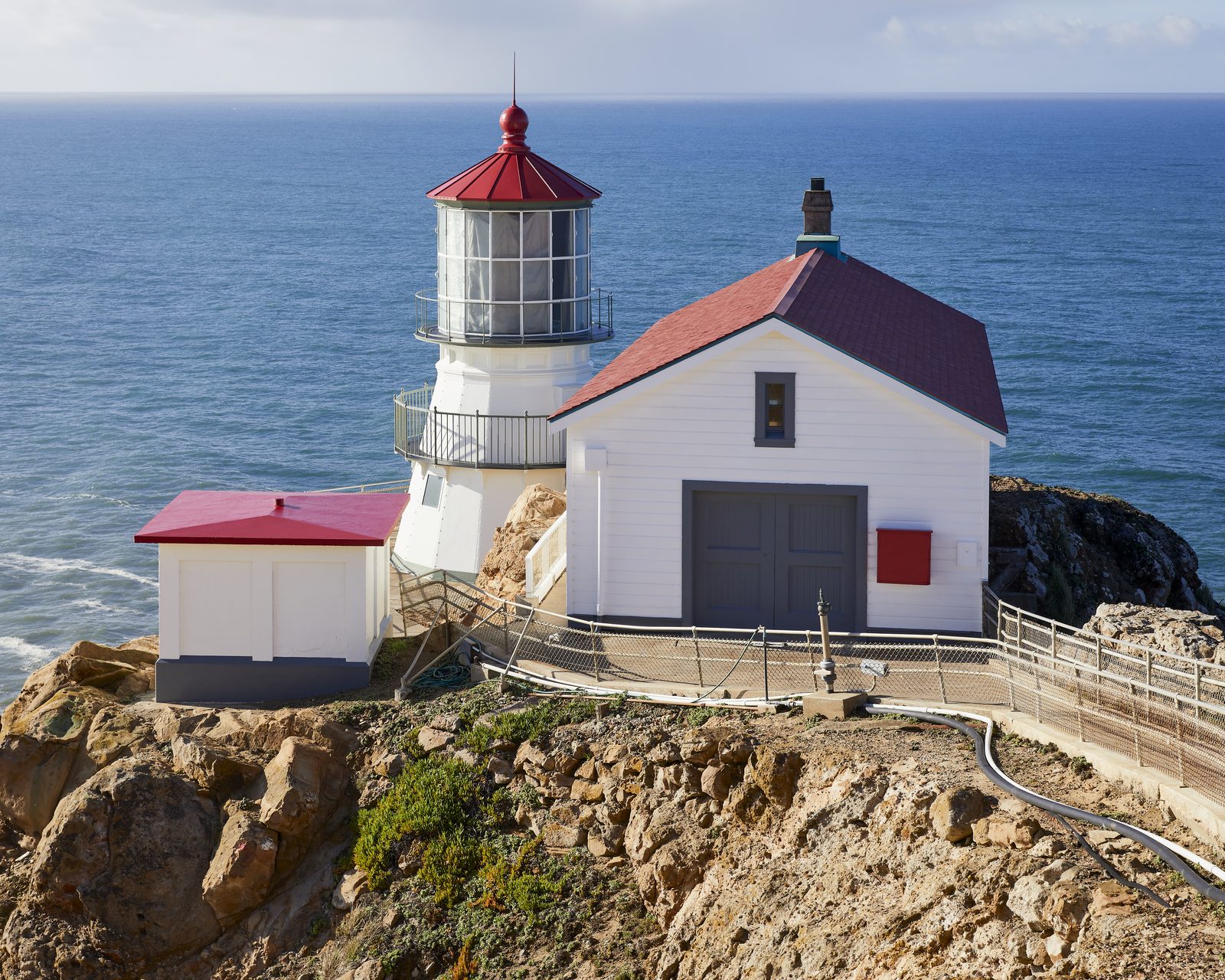
POINT REYES STATION: The cattle are leaving Point Reyes, and the land is entering the strangest chapter in its modern history: a national park deciding, pasture by pasture, what comes next.
The deal to end commercial ranching in the Point Reyes National Seashore, reported by the Point Reyes Light as it neared completion, closed one of the longest-running land-use fights in California. Ranching families had worked the peninsula for generations under the seashore's unusual founding bargain, which preserved agriculture inside a national park. The settlement unwound that bargain.
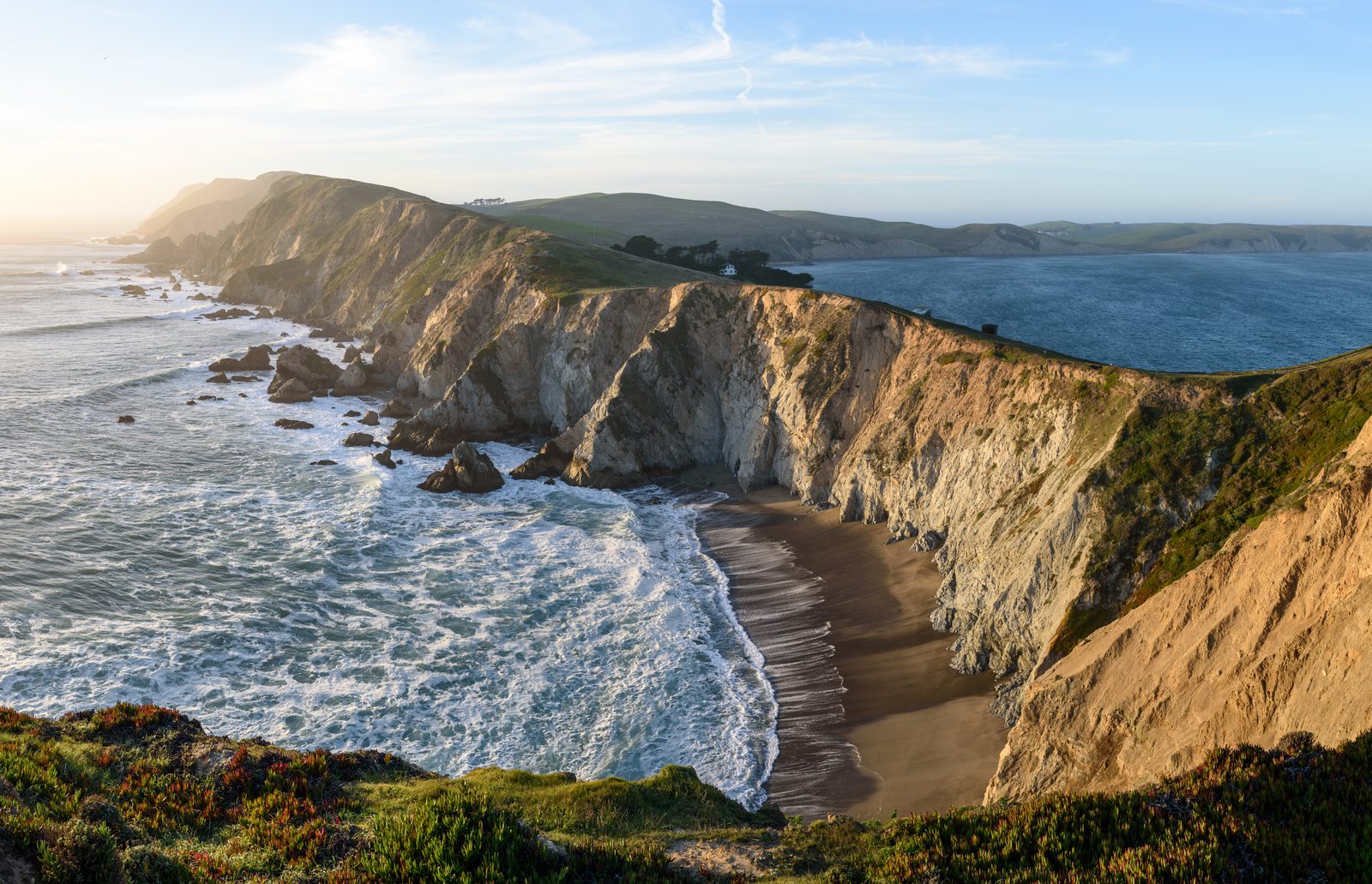
What followed, through 2026, is transition. The Nature Conservancy issued an update on the transition in March, outlining the conservation planning now underway for the former ranch lands. The work ahead includes grassland and coastal scrub restoration, watershed repair, and decisions about where managed grazing might still play a role as a land-management tool rather than a commercial enterprise.
The questions that remain are the human ones. Ranch workers and their families face relocation from housing tied to the operations. The park's tule elk herds, long managed in tension with ranching, enter a new management era. And public access to lands that were working ranches for over a century will be renegotiated trail by trail.
A regional stake in the outcome
For Marin County, the seashore is both a neighbor and an economic engine. West Marin's towns, from Point Reyes Station to Inverness, built visitor economies around the park's million-plus annual visitors. How quickly former ranch lands open to the public, and in what condition, matters to the people who live off that traffic.
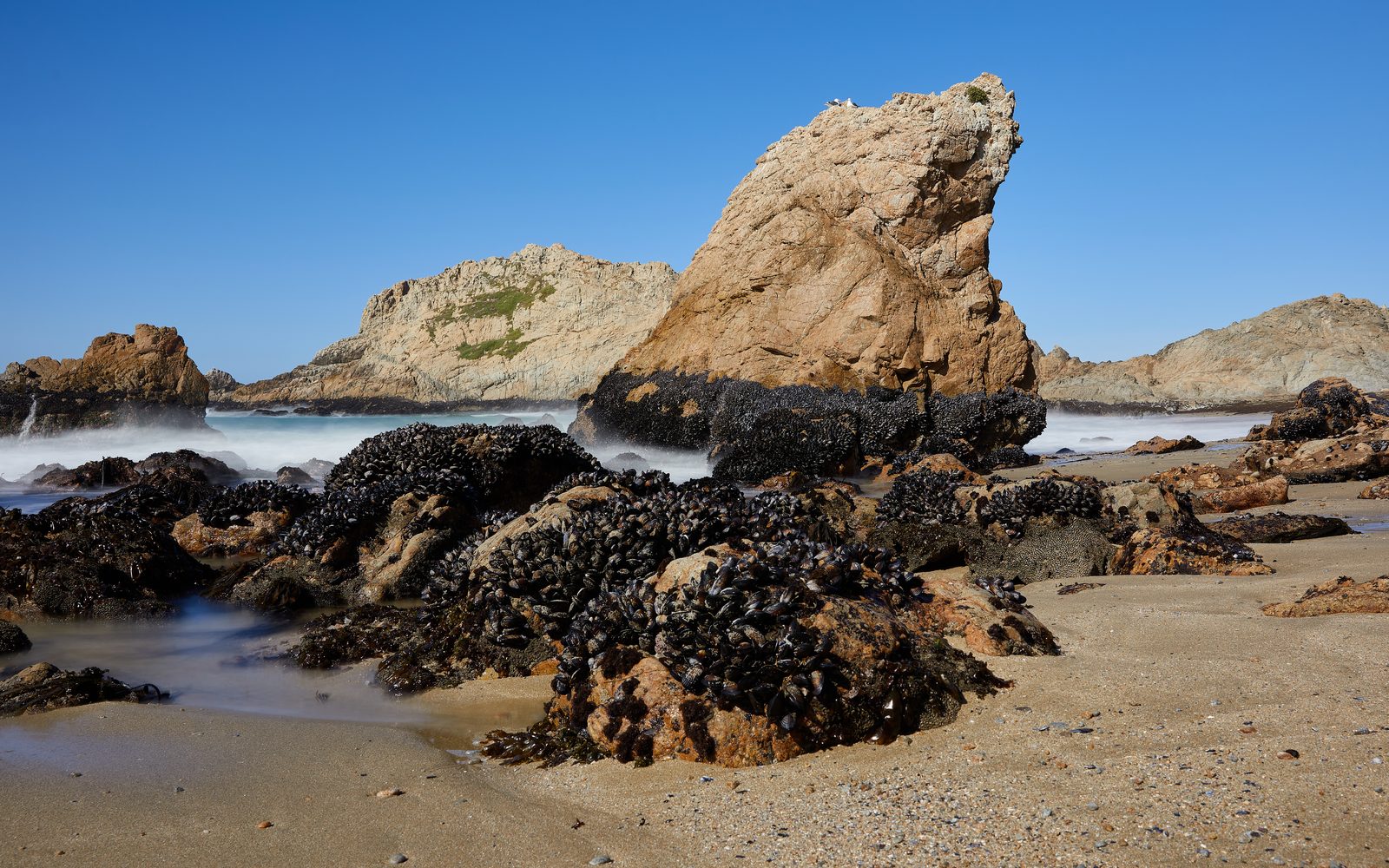
The restoration itself is a multi-decade project. Removing ranch infrastructure, managing invasive species that thrived under grazing regimes, and reestablishing native plant communities cannot be rushed, and the agencies involved have been careful not to promise a timeline the land cannot keep.
The settlement also reverberates beyond the seashore's boundaries. It is among the largest agricultural exits from a national park unit in recent American history, and land managers across the West are watching how the Park Service handles the handoff from working landscape to restored one.
This paper will follow the transition through the seasons: the restoration contracts, the access decisions, and the fate of the workers whose families shaped the peninsula. The deal was the headline. The land is the story.
For now, the peninsula is in between: no longer a ranching landscape, not yet whatever comes next. The fog still moves through the same valleys. The elk still graze the same hills. Only the terms have changed, and the land has not yet been told.
None to date. The Tribune corrects errors promptly and transparently. Read our corrections policy.