The Bay Area's big transit tax is on the November ballot. The North Bay is not in it
Senate Bill 63 authorizes a five-county Connect Bay Area measure for November 3. Marin, Sonoma, Napa and Solano are outside the district, riders of the regional system anyway.
SAN FRANCISCO: The most consequential transit vote in Bay Area history is scheduled for November 3, and not a single North Bay voter will cast a ballot on it.
Senate Bill 63, signed by the governor, authorizes voters in five counties, San Francisco, Alameda, Contra Costa, San Mateo and Santa Clara, to consider the Connect Bay Area measure, a tax to fund what the Metropolitan Transportation Commission calls rider-focused improvements across the region's transit network. The expenditure plan, adopted by MTC as Resolution 4767, directs the money to service, reliability and coordination among the region's operators.

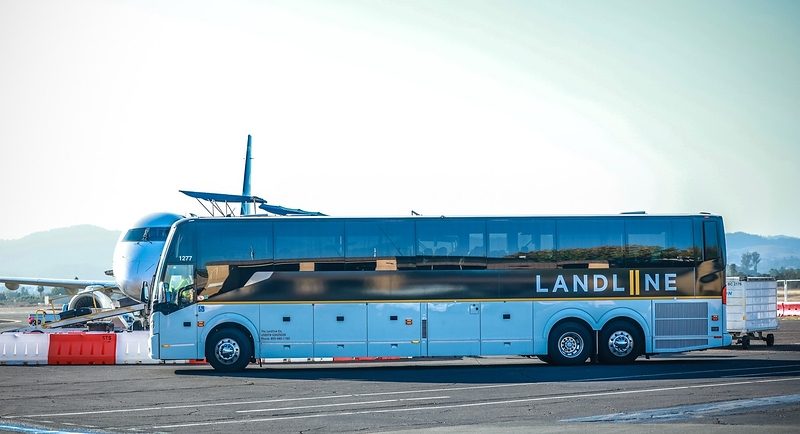
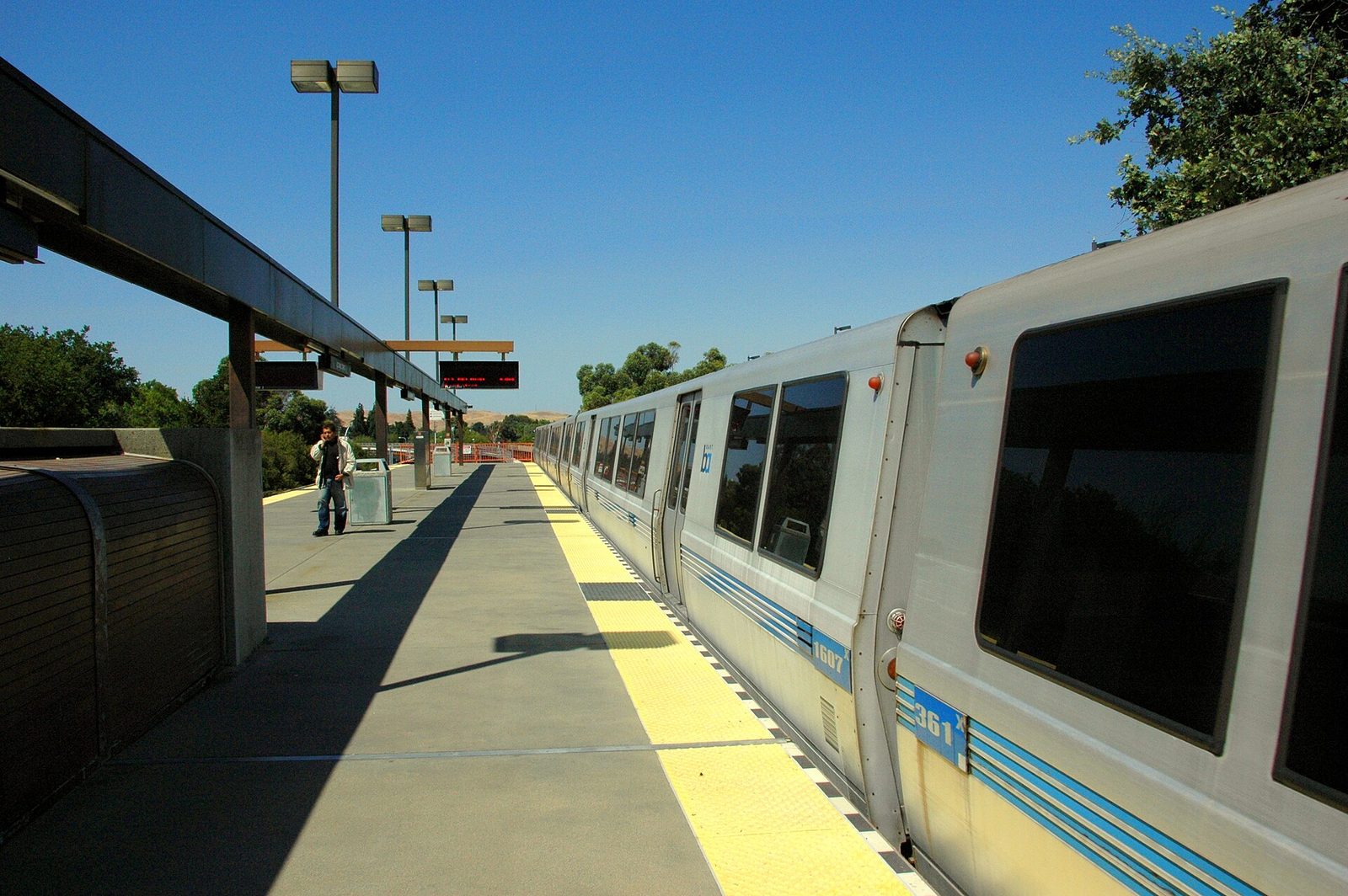
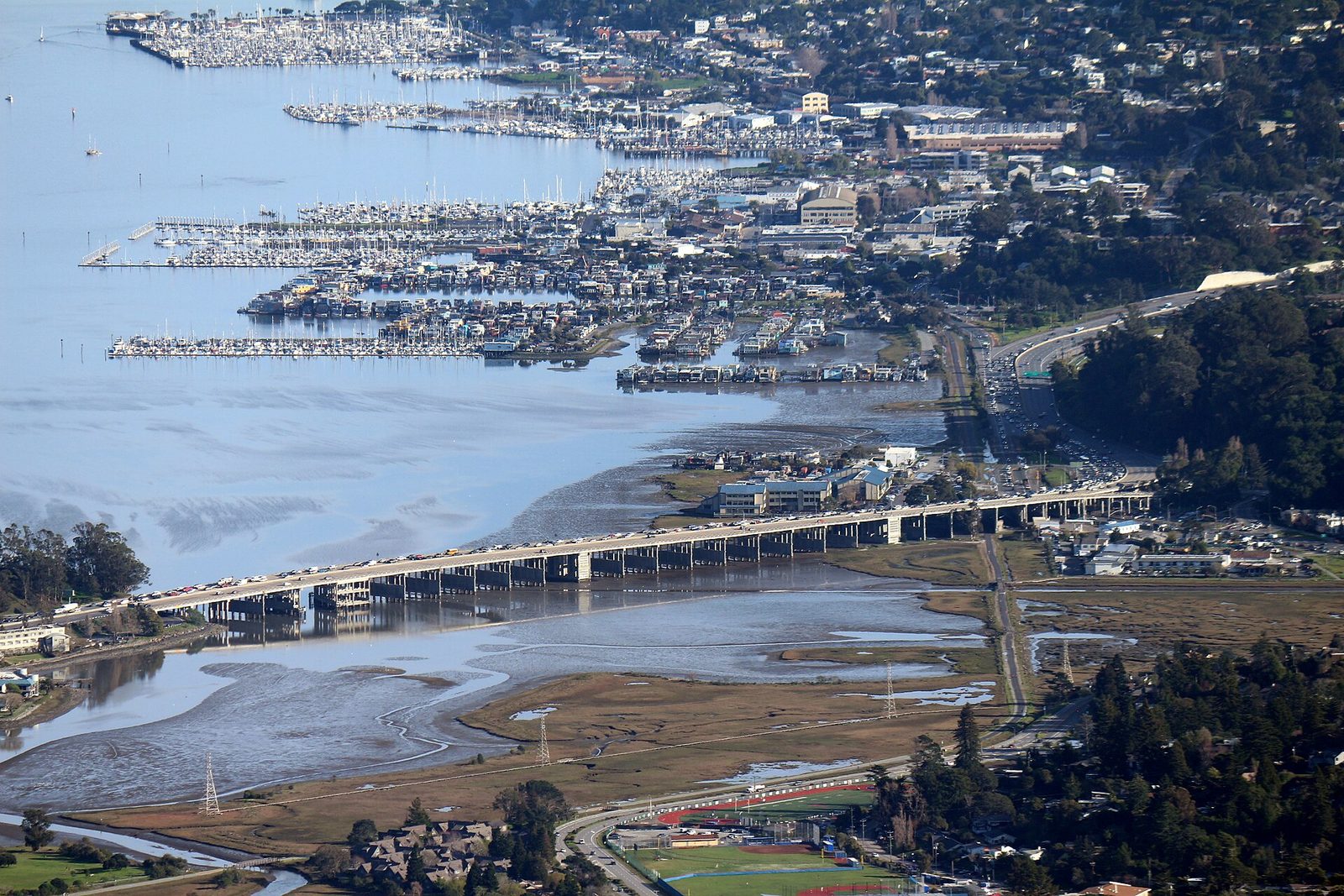
Marin, Sonoma, Napa and Solano counties are outside the taxing district. The boundary follows the politics of the authorizing legislation, not the map of how people actually move: North Bay commuters ride Golden Gate Transit buses and ferries into San Francisco, transfer to BART and Muni, and sit in the same traffic the measure's projects are meant to relieve.
The exclusion cuts both ways. North Bay residents will not pay the tax, which is the argument its authors would make for the boundary. But they also get no vote on the governance of a regional system they use daily, and no dedicated claim on its revenues, at a moment when every Bay Area transit operator is warning about structural deficits.
Two transit futures, one region
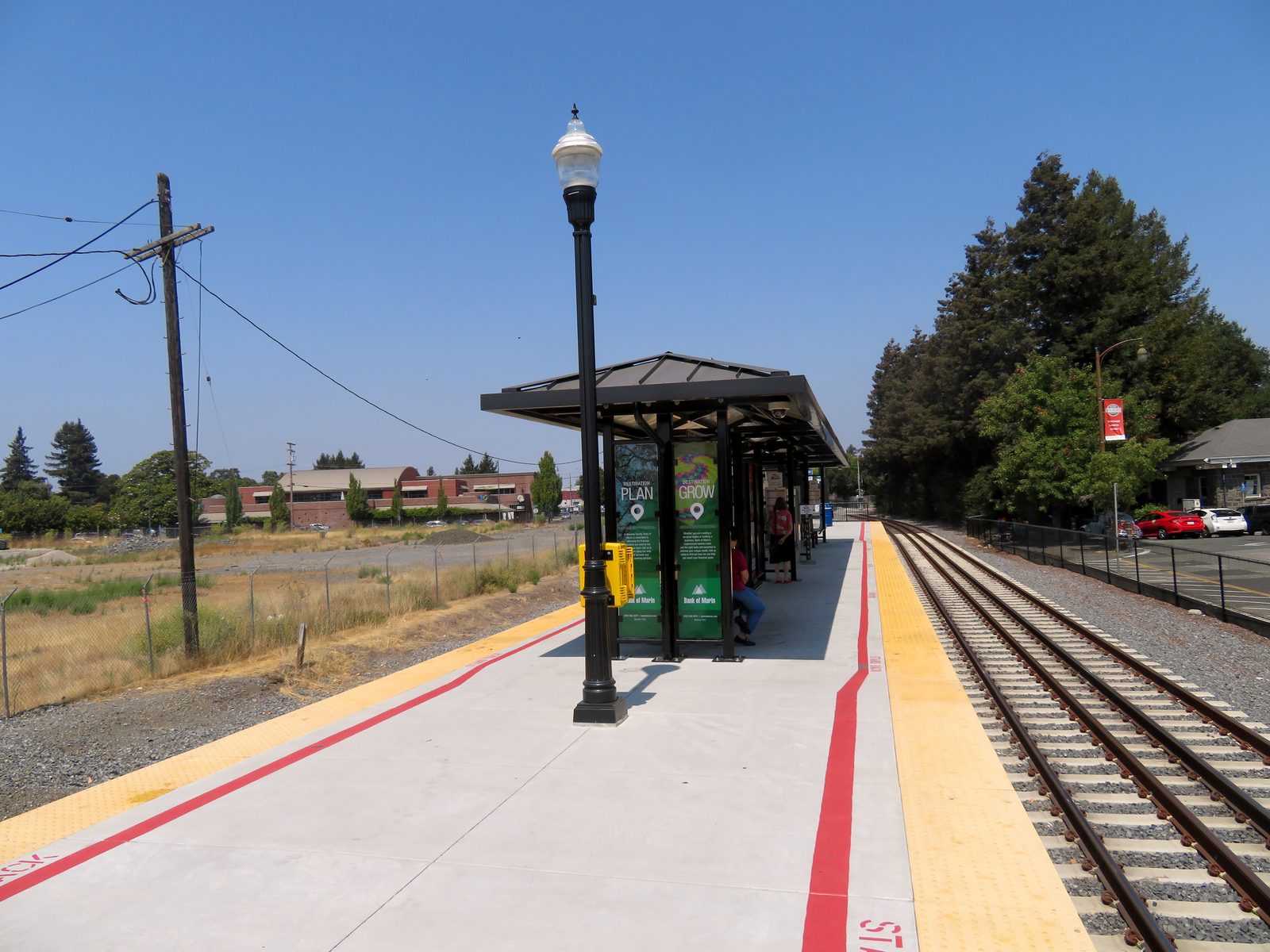
The irony is sharpest in Marin and Sonoma, which in June voted by more than 70 percent to extend SMART's own sales tax for 30 years. Those counties just demonstrated a willingness to tax themselves for transit that the five-county measure's authors could only envy, and were left out of the regional vehicle anyway.
For Napa and Solano, the distance is greater and the stakes are quieter: Vine Transit and SolTrans riders depend on regional connections that the measure could improve, without a seat at the table where the spending is decided.
If the measure passes, the North Bay will watch a neighboring five-county district build the region's transit future with money its own residents helped justify by riding the system. If it fails, the region's operators face the same fiscal cliff, and the North Bay's exclusion will look less like a dodge and more like a preview.
Either way, the boundary raises a governance question that will outlast the campaign. The Bay Area's transit network is regional in every way that matters: the riders cross county lines, the deficits cross county lines, and the climate math crosses county lines. A funding map that stops at the county line is a bet that the region can be governed in pieces. November will test whether the voters in the five counties agree, and the four left out will be watching.
None to date. The Tribune corrects errors promptly and transparently. Read our corrections policy.