SMART's Measure B win locks in $51 million a year through 2059
Voters extended the quarter-cent sales tax with more than 70 percent in June. The train now has a 30-year funding runway, and a 30-year argument about what to do with it.

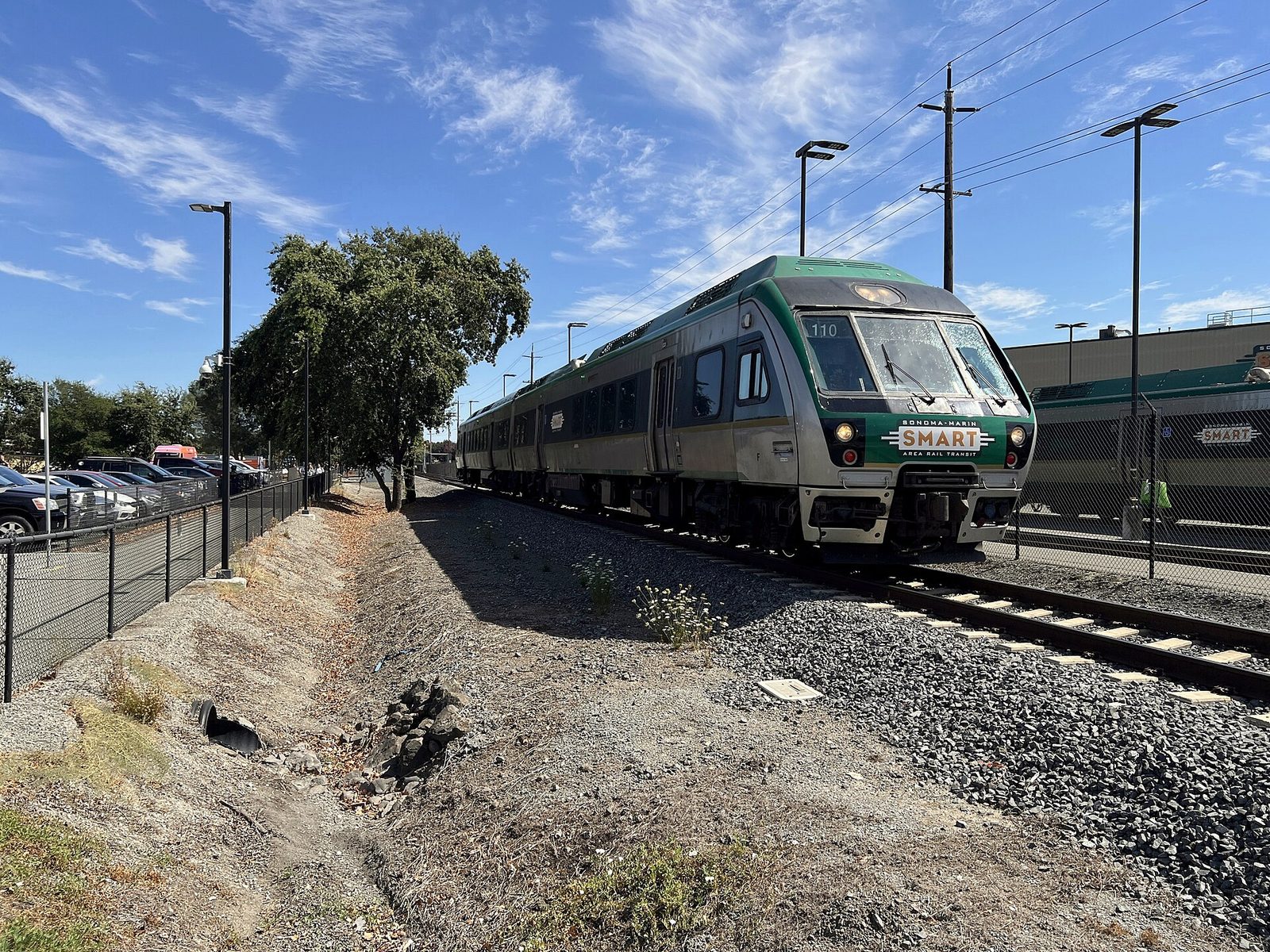
PETALUMA: The little train that Marin and Sonoma were asked to save, again, got its answer on June 2: more than 70 percent of voters said yes to Measure B, extending SMART's quarter-cent sales tax for 30 years and giving the rail line about $51 million a year from 2029.
The margin mattered differently than it would have six years earlier. Because Measure B reached the ballot by citizen petition, with more than 71,000 signatures gathered under a state pathway created for exactly this renewal, it needed only a simple majority. It cleared 70 percent, a decisive reversal of the 2020 defeat, when a similar extension won a majority of votes but fell short of the two-thirds threshold then required. The extension keeps the existing quarter-cent rate in place and stretches it to 2059, converting SMART from an agency that lived measure to measure into one with a generation of funding certainty.
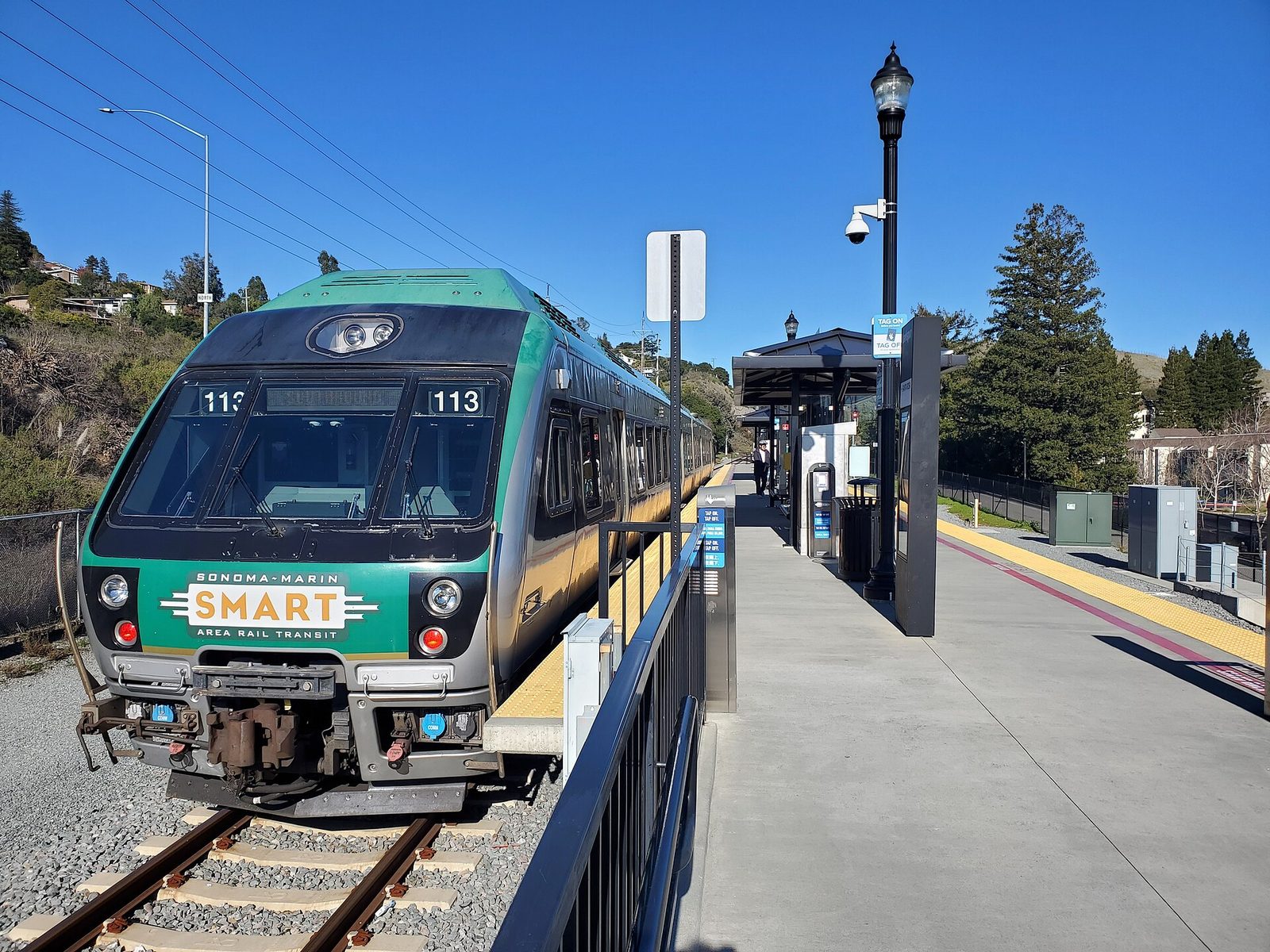
The money is the means, not the mission. SMART's board now faces the 30-year version of the question the agency has dodged for a decade: what is this railroad for? The commuter case, Larkspur ferry connections to San Francisco, Sonoma County job centers, has always been thinner than the sales pitch. Ridership has grown, but the line's promise was always bigger than its trains.
The full text of the measure dedicates the revenue to the rail system and its operations, and the agency's planning documents point the money at the familiar list: frequency, reliability, station-area development, and the long-discussed extensions north toward Cloverdale and east toward the ferry.
A runway, not a verdict
Thirty years of funding does not settle whether the North Bay's transit future runs on rails. It settles that the rails will be there while the region decides. The parallel story, the Bay Area's five-county transit tax measure on this November's ballot, notably excludes Marin and Sonoma, which means SMART's tax base and the region's transit ambitions are now on separate tracks, literally and fiscally.
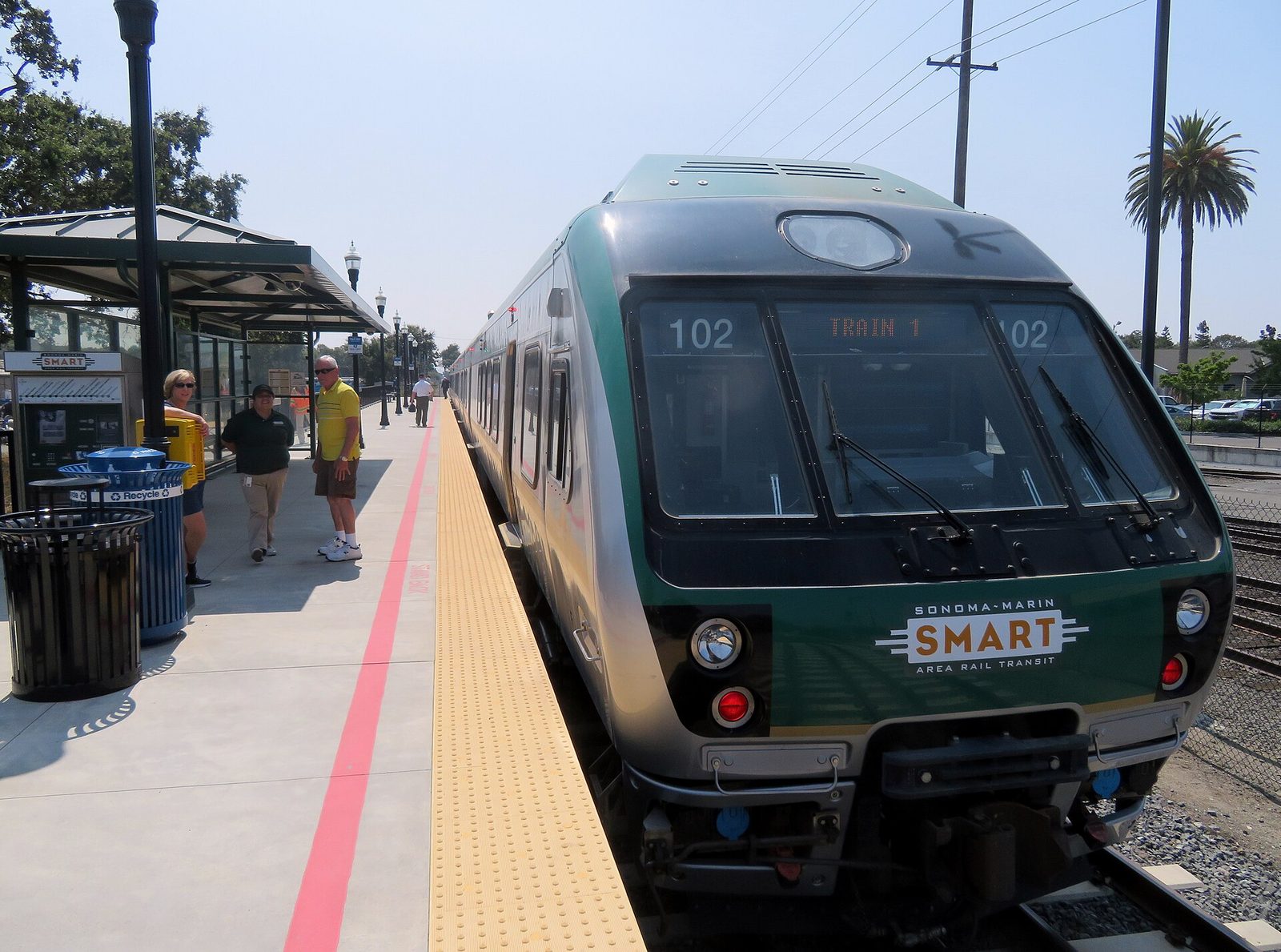
For the two counties that voted yes, the practical question is nearer term: how soon the money turns into more trains. The tax extension takes full effect in 2029, when the current tax would have expired. Between now and then, the agency has to produce a capital plan worthy of a 70-percent mandate.
Measure B's passage was the easiest part. Spending $51 million a year, in public, for thirty years, is the job the voters just assigned.
The agency's first test will be the capital plan it brings back to the two counties: which segments get double-tracked, which stations get rebuilt, how frequency improves on the spine between Larkspur and Santa Rosa. A 70-percent mandate buys patience, but it also buys expectations, and the North Bay has thirty years to find out whether this railroad was worth the third ask.
None to date. The Tribune corrects errors promptly and transparently. Read our corrections policy.